


- Your cart is empty
- Continue shopping

The Ultimate Guide to Magnesium Glycinate
-
Vita Gallery
- Posted on
- Categories:Healthy Lifestyle, Peaceful Sleep, Stress Relief, Wellness

Quick Summary
- What it is: Highly absorbable form of magnesium
- Best for: Sleep, anxiety, muscle relaxation, bone health
- Recommended dose: 200-400mg daily
- Best time: Evening before bed
- Side effects: Minimal to none (most gentle form)
- Who needs it: People with deficiency, stress, poor sleep
📋 Table of Contents
- What is Magnesium Glycinate?
- Health Benefits
- Who Should Take It?
- How to Take Magnesium Glycinate
- Dosage Guidelines
- Side Effects & Precautions
- Magnesium Glycinate vs Other Forms
- Best Magnesium Glycinate Supplements
- FAQs
🔬 What is Magnesium Glycinate?
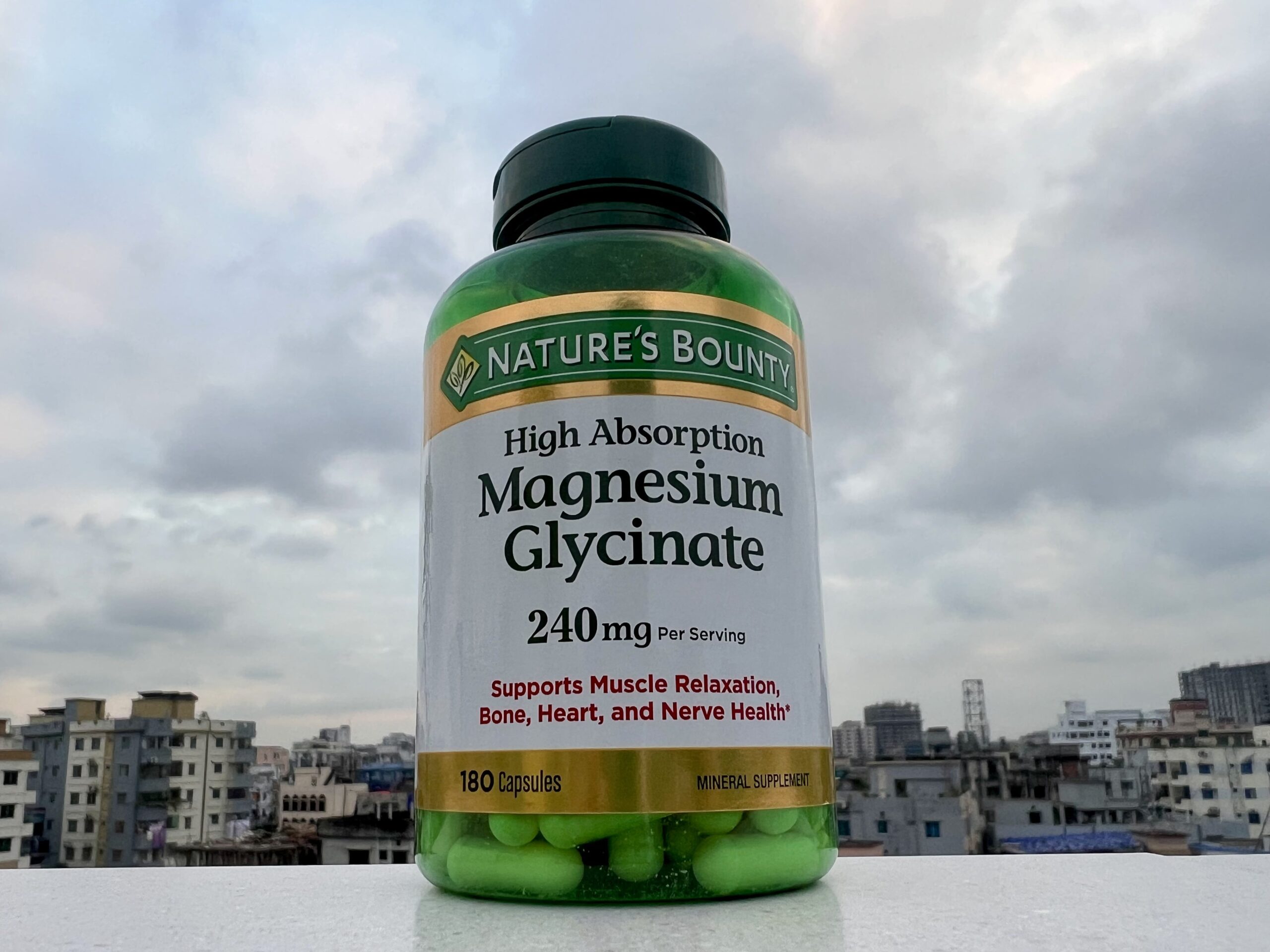
Magnesium Glycinate is a highly absorbable form Magnesium
Magnesium Glycinate is a chelated form of magnesium, where magnesium is bound to the amino acid glycine. This unique combination makes it:
- Highly bioavailable (easily absorbed by the body)
- Gentle on the digestive system
- Less likely to cause laxative effects
- Ideal for long-term supplementation
Unlike other forms like Magnesium Oxide (which has poor absorption), Magnesium Glycinate can cross the blood-brain barrier, making it particularly effective for mental health benefits.
Why Glycine Matters:
Glycine itself is a calming amino acid that enhances the relaxation effects of magnesium, creating a synergistic benefit for sleep and anxiety reduction.
✨ Health Benefits
😴 Improves Sleep Quality
Magnesium Glycinate promotes deeper, more restful sleep by:
- Regulating GABA receptors (calming neurotransmitter)
- Reducing cortisol (stress hormone)
- Relaxing muscles and nervous system
- Improving sleep architecture
Research shows: 500mg of magnesium improved sleep quality in elderly
adults with insomnia.
🧠 Reduces Anxiety & Stress
How it helps:
- Calms the nervous system
- Regulates stress response
- Balances neurotransmitters
- Supports brain health
Studies indicate magnesium deficiency is linked to increased anxiety
and depression
💪 Relieves Muscle Cramps & Pain
Benefits:
- Relaxes muscle contractions
- Reduces cramping and spasms
- Improves muscle recovery
- Helps with restless leg syndrome
Particularly beneficial for athletes and those with chronic muscle pain.
🎯 Improves Focus & Cognition
Mental performance benefits:
- Enhances memory formation
- Improves learning ability
- Protects against cognitive decline and Supports neurotransmitter function
🦴 Supports Bone Health
Magnesium is essential for:
- Calcium absorption and metabolism
- Bone density maintenance
- Vitamin D activation
- Preventing osteoporosis
60% of body's magnesium is stored in bones!
🩸 Regulates Blood Sugar
Diabetes support:
- Improves insulin sensitivity
- Helps control blood glucose
- Reduces diabetes risk
and supports metabolic health
🌟 Reduces PMS Symptoms
Women's health benefits:
- Alleviates mood swings
- Reduces bloating
- Decreases menstrual cramps
- Improves energy levels
Magnesium levels fluctuate during menstrual cycle.
❤️ Promotes Heart Health
Cardiovascular benefits:
- Regulates heart rhythm
- Lowers blood pressure
- Reduces inflammation
- Improves arterial health
Low magnesium linked to increased heart disease risk.
💊 Migraine Prevention
Headache relief:
- Reduces migraine frequency
- Decreases severity
- Helps with tension headaches
- Regulates blood vessel function
Research supports 400-600mg daily for migraine prevention.
👥 Who Benefits Most from Magnesium Glycinate?
You may benefit from Magnesium Glycinate supplementation if you experience any of these conditions
😴
Sleep Problems
- Difficulty falling asleep
- Frequent night waking
- Restless sleep
- Insomnia
🧠
Mental Health Challenges
- Anxiety or panic attacks
- Chronic stress
- Depression symptoms
- Brain fog
💪
Physical Symptoms
- Muscle cramps or spasms
- Restless leg syndrome
- Chronic fatigue
- Frequent headaches
❤️
Health Conditions
- High blood pressure
- Type 2 diabetes
- Osteoporosis
- Heart arrhythmias
🏃
Lifestyle Factors
- High stress levels
- Regular intense exercise
- Poor diet low in magnesium
- Excessive caffeine/alcohol
💊
Medical Situations
- Taking PPIs or diuretics
- Digestive disorders
- Older adults (60+)
- Post-surgery recovery
⚠️
Who Should Avoid or Use Caution?
- Kidney disease patients: Risk of magnesium buildup - consult doctor
- Heart block conditions: May affect heart rhythm - medical supervision required
- Myasthenia gravis: May worsen muscle weakness - avoid without medical advice
- Certain medications: Check for interactions with your prescriptions
Always consult your healthcare provider before starting any new supplement regimen.
💊 How to Take Magnesium Glycinate
Complete guide to maximize effectiveness and results
🌙
Best Time to Take
Most Recommended
Evening (30-60 min before bed)
- Promotes better sleep
- Maximizes relaxation benefits
- Empty stomach or light meal
🌅 Morning (Alternative)
- If taking for other benefits
- With breakfast
- Can split dose: AM + PM
🍽️
With or Without Food?
Can be taken either way
✓ Best Absorption:
Empty stomach
If Sensitive:
Take with food
Avoid with:
High-calcium foods (competes for absorption)
What to Take It With
✓
Good Combinations
- Vitamin D Enhances absorption
- Vitamin B6 Works synergistically
- Zinc Complementary mineral
✗
Avoid Taking With
- Calcium supplements Space 2 hours apart
- Iron supplements Reduces absorption
- Antibiotics Space 2-3 hours apart
⏰ How Long Until It Works?
30-60 Minutes
Immediate relaxation effects
1-2 Weeks
Sleep improvement & muscle cramps
2-4 Weeks
Anxiety reduction noticeable
1-3 Months
Full long-term benefits
⭐ Consistency is key! Take daily for best results.
💡 Pro Tips for Maximum Effectiveness
1
Start with lower dose and gradually increase
2
Take at same time daily
3
Stay hydrated (helps absorption)
4
Pair with magnesium-rich foods
5
Be patient - benefits take time
6
Don't exceed recommended dosage
📏 Magnesium Glycinate Dosage Guide
Recommended Daily Allowance (RDA)
👨
Men 19-30
400mg
👨🦳
Men 31+
420mg
👩
Women 19-30
310mg
👩🦳
Women 31+
320mg
🤰
Pregnant
350-360mg
🤱
Breastfeeding
310-320mg
Supplementation Dosage Tiers
Beginner
100-200mg/day
Best For:
First-time users
Duration:
Week 1-2
Purpose:
Assess tolerance
⭐ Most Common
200-400mg/day
Best For:
General wellness
Duration:
Ongoing maintenance
Purpose:
Daily health support
Therapeutic
400-600mg/day
Best For:
Specific conditions
Duration:
As needed
Purpose:
Sleep/anxiety issues
⚠️ Maximum
600mg/day
Caution:
Medical supervision
Split Dose:
2-3 times daily
Note:
Do not exceed
Special Population Dosages
🏃
Athletes
400-600 mg
Higher needs due to sweating & muscle recovery
👴
Elderly (60+)
300-400 mg
Absorption decreases with age, bone health support
😰
Stress/Anxiety
300-500 mg
Evening dose preferred for calming effect
😴
Sleep Issues
200-400 mg
Take 1 hour before bed for relaxation
✓
Signs of Correct Dosage
- Better sleep quality
- Reduced muscle tension
- Improved mood
- No digestive upset
- Sustained energy
🚩
Signs of Too Much
- Diarrhea
- Nausea
- Stomach cramping
- Excessive drowsiness
- → Reduce dose if this happens
⚠️ Side Effects & Safety Information
Good News: Magnesium Glycinate is the gentlest form of magnesium and rarely causes side effects when taken at recommended doses.
ℹ️
Common Side Effects
Rare with GlycinateMild
Slight Digestive Discomfort
Rare occurrence, usually temporary
Mild
Loose Stools
Only if dose is too high, easily resolved
Mild
Mild Nausea
Usually resolves with continued use
Desired
Drowsiness
Actually desired for sleep! Take before bed
💡 Pro Tip: These effects are usually temporary and resolve with dose adjustment or taking with food.
🚨
Serious Side Effects
Very Rare - Seek Medical Attention
!
Severe Diarrhea
Persistent or severe diarrhea lasting more than 24 hours
!
Irregular Heartbeat
Heart palpitations, racing heart, or arrhythmia
!
Difficulty Breathing
Shortness of breath or respiratory issues
!
Severe Muscle Weakness
Extreme weakness or inability to move muscles
!
Extreme Drowsiness
Inability to stay awake or unresponsiveness
⚠️ If you experience any of these symptoms, stop taking magnesium immediately and seek medical attention.
💊 Drug Interactions
Consult your doctor if you're taking any of these medications:
💊
Antibiotics
- Tetracyclines
- Fluoroquinolones
Action: Space 2-3 hours apart
🦴
Bisphosphonates
- Osteoporosis drugs
- Alendronate, etc.
Action: Take 2+ hours apart
💧
Diuretics
- Water pills
- Blood pressure meds
Action: Monitor magnesium levels
🔥
Proton Pump Inhibitors
- PPIs (omeprazole)
- Acid reducers
Action: May need higher dose
❤️
Blood Pressure Meds
- ACE inhibitors
- Beta blockers
Action: May lower BP further
😌
Muscle Relaxants
- CNS depressants
- Sleep medications
Action: May enhance effects
🏥 Medical Conditions - Use Caution
High Risk
Kidney Disease
Risk: High risk of magnesium buildup and toxicity
Action: Only under doctor supervision
Note: Kidneys cannot eliminate excess magnesium
Medium Risk
Heart Conditions
Conditions: Heart block, slow heart rate
Action: Consult cardiologist first
Note: May affect heart rhythm
Medium Risk
Myasthenia Gravis
Risk: May worsen muscle weakness
Action: Avoid without medical advice
Note: Affects neuromuscular transmission
Low Risk
Digestive Disorders
Conditions: IBS, Crohn's, colitis
Action: Start with low dose
Note: Glycinate is gentlest form
☠️
Signs of Magnesium Toxicity
(Very Rare - Only with excessive doses or kidney problems)Toxicity only occurs with very high doses (5000mg+) or in people with kidney disease:
🚽
Severe Diarrhea
🤢
Nausea & Vomiting
📉
Low Blood Pressure
😵
Confusion
💓
Irregular Heartbeat
🫁
Difficulty Breathing
⚠️ EMERGENCY: If you suspect magnesium toxicity, seek immediate medical help. Call emergency services or go to the nearest hospital.
✅ Safe Usage Tips
✓
Start with low dose and increase gradually
✓
Take with food if you have a sensitive stomach
✓
Stay well hydrated throughout the day
✓
Don't exceed recommended dosage without medical advice
✓
Consult doctor if taking medications
✓
Store in cool, dry place away from children
✓
Check expiration date before use
✓
Monitor your body's response and adjust as needed
